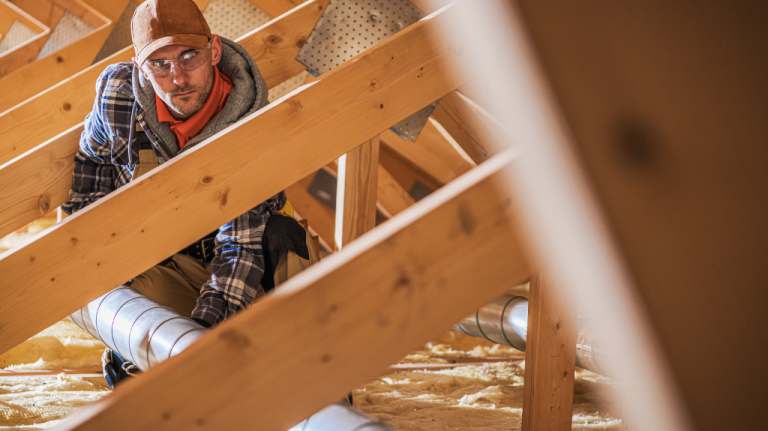
A comfortable, energy-efficient home is something every homeowner deserves. Yet, many in St. Louis find themselves battling drafty rooms, soaring energy bills, and the discomfort of inconsistent indoor temperatures. Often, the culprit lies overhead—inadequate or outdated attic insulation. At Foam Engineers, we understand these frustrations and are here to guide you through the maze of attic insulation types, ensuring your home becomes the sanctuary it’s meant to be.
Understanding Attic Insulation Types
Choosing the right attic insulation is pivotal for maintaining a comfortable indoor environment and optimizing energy efficiency. Let’s explore the most common insulation types suitable for St. Louis homes:
Fiberglass Insulation
Fiberglass insulation, recognized by its cotton-candy-like appearance, is a staple in many attics. Available in batts or loose-fill forms, it’s crafted from fine glass fibers.Service ChampionsFirst American Roofing & Siding+1Attainable Home+1
Pros:
- Cost-Effective: Generally more affordable than other insulation materials.
- Fire Resistant: Naturally non-combustible, enhancing home safety.
- Easy Installation: Batts can be DIY-friendly, fitting snugly between standard joists.
Cons:
- Settling Over Time: Loose-fill fiberglass may settle, potentially reducing its insulating effectiveness.Attainable Home+2Family Handyman+2Fix It and Finish+2
- Moisture Sensitivity: Can retain moisture, leading to mold growth if not properly ventilated.
Cellulose Insulation
Composed primarily of recycled paper products treated for fire resistance, cellulose insulation is an eco-friendly option.
Pros:
- High R-Value: Offers superior thermal resistance, enhancing energy efficiency.
- Eco-Friendly: Made from up to 85% recycled materials.
- Effective Air Barrier: Dense composition reduces air infiltration.
Cons:
- Moisture Absorption: Prone to absorbing moisture, which can diminish its insulating properties and promote mold growth.
- Settling: Tends to settle more than fiberglass, necessitating proper installation techniques to maintain effectiveness.
Spray Foam Insulation
Pros:
- Superior Air Sealing: Minimizes air leaks, enhancing energy efficiency.
- Moisture Barrier: Resistant to water, reducing the risk of mold and mildew.
- Longevity: Maintains its form and insulating properties over time without settling.
Knauf North America
Cons:
- Higher Cost: More expensive upfront compared to other insulation types.
- Professional Installation Required: Due to its application process, professional installation is recommended.
Cellulose vs. Fiberglass: Making the Right Choice
When comparing cellulose and fiberglass insulation, several factors come into play:
- Thermal Performance: Cellulose generally offers a higher R-value per inch, meaning better insulating power.
- Moisture Resistance: Fiberglass is less likely to absorb moisture, reducing mold risk.
- Environmental Impact: Cellulose boasts higher recycled content, appealing to eco-conscious homeowners.
In the St. Louis climate, where humidity levels can fluctuate, it’s crucial to consider moisture resistance alongside thermal performance.
Can You Spray Foam a Vented Attic?
Absolutely. Applying spray foam insulation in a vented attic can be highly effective. By sealing air leaks and providing robust insulation, spray foam can transform a vented attic into a more energy-efficient space. However, proper assessment and installation are key to ensure ventilation needs are met and moisture issues are prevented.
Does Insulation Need to Be Replaced?
Insulation doesn’t last forever. Signs that it may be time for a replacement include:
- Increased Energy Bills: A sudden spike can indicate compromised insulation.
- Uneven Temperatures: Rooms that are too hot or cold suggest insulation issues.
- Visible Damage: Moisture stains, mold, or pest infestations are red flags.
Regular inspections can help identify these issues early, ensuring your home remains comfortable and energy-efficient.
Attic Floor Insulation: Is It Right for You?
Insulating the attic floor is a common approach, especially when the attic is unconditioned. This method keeps the living spaces below insulated from temperature extremes above. However, if you’re considering converting your attic into a livable space or storage area, insulating the roofline might be more appropriate.
Partnering with Foam Engineers to Choose the Best Attic Insulation Types
At Foam Engineers, we recognize that every home is unique. Our approach involves:
- Comprehensive Assessment: Evaluating your home’s specific insulation needs.
- Customized Solutions: Recommending the best insulation type tailored to your situation.
- Professional Installation: Ensuring quality workmanship for lasting results.
With over 40 years serving the St. Louis community, we’re committed to enhancing your home’s comfort and efficiency.
Conclusion
No one should endure an uncomfortable home or exorbitant energy bills. By understanding the various attic insulation options and partnering with experienced professionals like Foam Engineers, you can transform your living space into the cozy, energy-efficient haven you deserve.
Ready to upgrade your attic insulation? Contact Foam Engineers today to schedule your free home energy inspection and take the first step toward a more comfortable home.